Free shipping over $100

High ceilings are a beautiful architectural feature, but they can quickly feel cold or disconnected if the lighting isn’t done right. The challenge is choosing a fixture and understanding how light interacts with vertical space. The right high ceiling lights illuminate and bring it together, creating warmth, balance and intention.

Whether you’re designing a living room, entryway or open-concept space, the goal is always the same: choose light fixtures for high ceilings that connect the ceiling to the space below, instead of leaving light floating overhead.

Why High Ceilings Require a Different Lighting Approach

Lighting a standard 8-foot room is straightforward. However, lighting a 12-, 16- or even 20-foot space is not. With height comes volume and that changes everything. Light needs to travel farther, fill more space and feel visually grounded. A single fixture, even a large chandelier for high ceilings, can sometimes fall short if it doesn’t properly engage the vertical dimension. In tall spaces, successful ceiling and light design comes down to three things:

  1. Scale (how much visual presence the fixture has)
  2. Placement (where and how it hangs)
  3. Distribution (how light is spread throughout the space)

When these work together, even very tall rooms feel warm and intentional rather than empty.

The 5 Core Principles for Selecting High Ceiling Lights

1. Scale and Proportion: Focus on Composition, Not Just Size

It’s true that small fixtures tend to get lost in tall spaces. But that doesn’t automatically mean you need to go oversized. The real goal is visual presence and that can come from:

  • A single large fixture
  • Multiple pendants working together
  • A layered or distributed layout

A common guideline you may hear is: Room length (ft) + room width (ft) = fixture diameter (inches)

This can be helpful as a starting point, but it breaks down quickly for high ceiling pendant lighting, multi-light clusters or open layouts. In many cases, multiple smaller pendants create a stronger and more balanced result than one oversized piece.

The key idea is: scale is created by the entire composition, not just diameter.

2. Hanging Height: Placement Should Feel Intentional

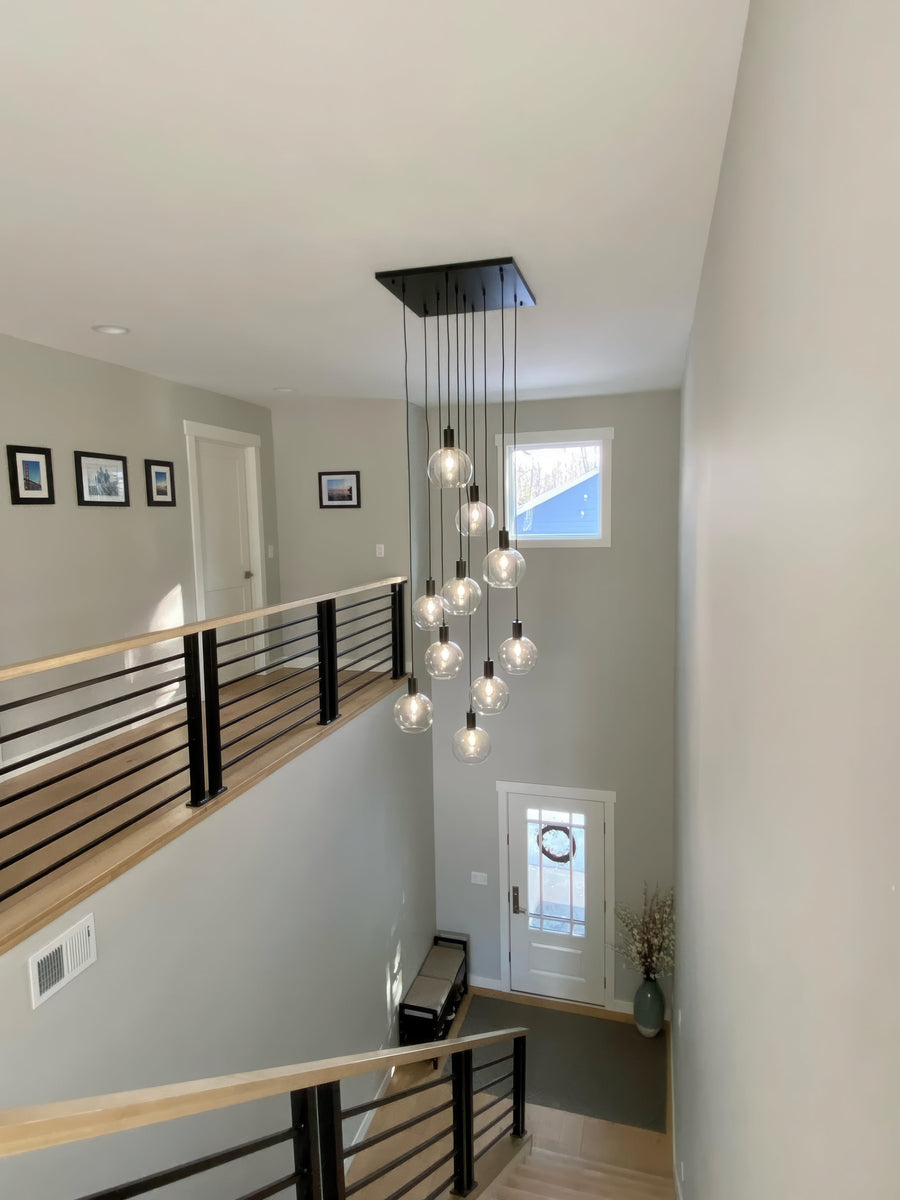
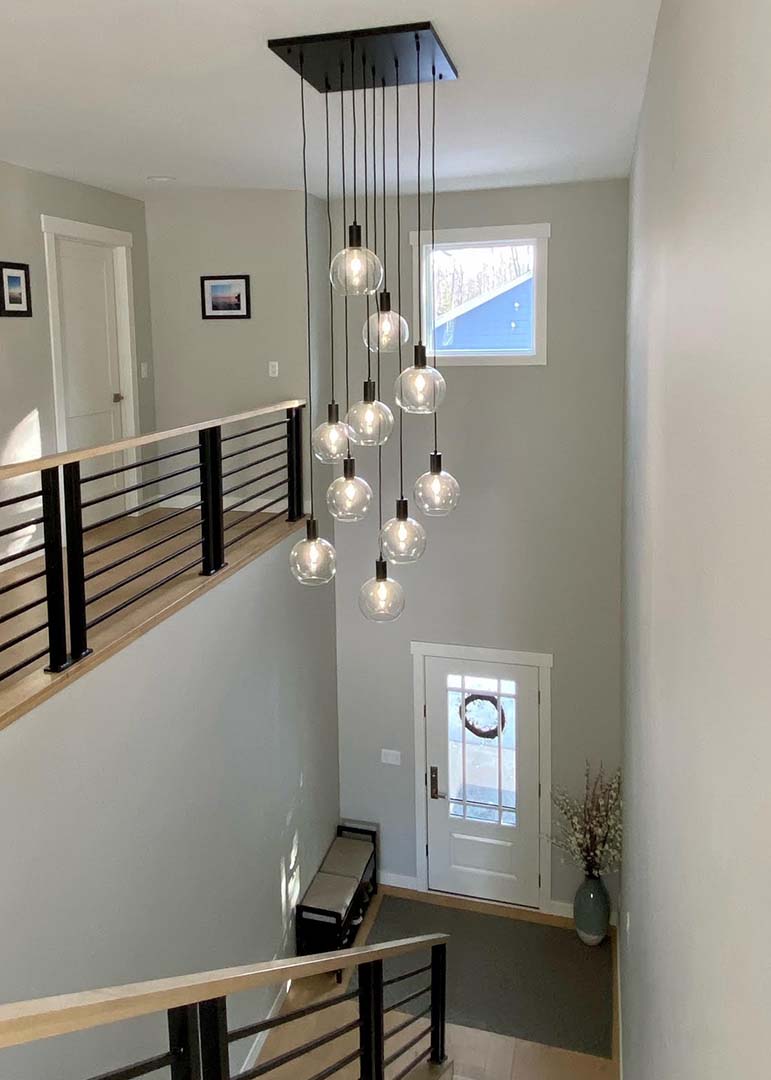
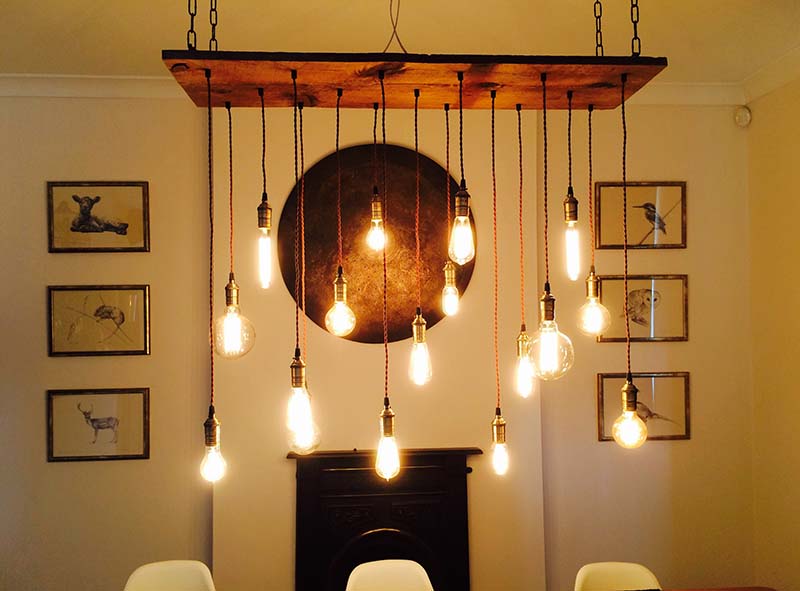
wooden chandelier with staggered cascading pendants down a stairway with globe led bulbs

Instead of relying on strict formulas, think of height as a visual decision. As a baseline, maintain about 7 feet of clearance in walkways. Beyond that, placement depends on the room:

  • Fixtures should feel connected to the space below
  • Not so high that they disappear
  • Not so low that they interrupt movement

In taller spaces, variation often works best. Staggered heights, especially in tall ceiling light fixtures, help bring light down into the room and create a more dynamic, layered feel. Aligning fixtures with architectural elements like windows, railings or open levels can also create a natural sense of balance.

3. Lighting Quality: Setting the Mood with Light

2 story living room with large modern black chain and white globe chandelier with 7 pendants

Brightness alone doesn’t define good lighting. Quality does. For most residential spaces, especially lighting for high ceilings in a living room, a warm color temperature between 2700K and 3000K creates a comfortable and inviting atmosphere.

Dimmers are equally important. They allow you to adjust brightness throughout the day, shifting from functional light to a softer evening glow. Long-life LED bulbs are also essential in high ceiling lights, reducing the need for frequent maintenance in hard-to-reach areas.

In larger or two-story spaces, it’s also important to think in terms of layered brightness rather than a single light source. Multi-light fixtures help distribute illumination more evenly and reduce glare, creating a softer and more welcoming environment.

4. Fixture Design: Form and Finish Matter

When choosing light fixtures for high ceilings, it’s helpful to think beyond categories like chandelier or pendant and instead focus on how the fixture interacts with the space.

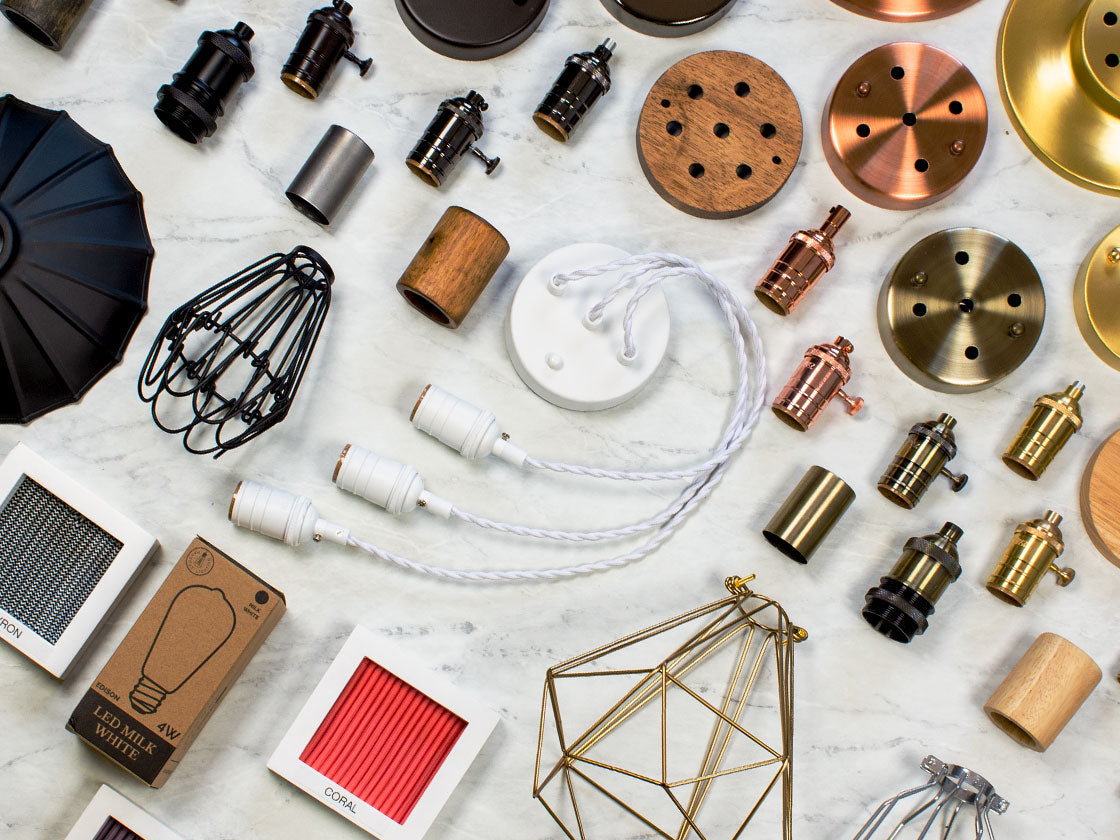
  • Form (structure): A chandelier for high ceilings can create a strong focal point, while high ceiling pendant lighting offers more flexibility through clusters, repetition and spacing.
  • Finish (interaction with light): Finishes influence both appearance and performance:
  • Brass adds warmth and reflects light softly
  • Black creates contrast and definition
  • Glass diffuses light and softens brightness

Instead of matching finishes to a specific style, think about contrast, reflectivity and how the fixture will feel within the room’s overall palette.

5. Practical Considerations: Keep It Simple and Thoughtful

High ceilings don’t have to mean complicated solutions. With the right planning, maintenance becomes easy. Choose long-life LED bulbs to reduce replacement frequency, especially in spaces where access requires a ladder or professional help. If possible, opt for fixtures with modular components or adjustable drops, so you can adapt the layout over time.

Also think about access from the beginning. Can bulbs be replaced without uninstalling the fixture? Is the weight appropriate for your ceiling type? These small considerations prevent major headaches later.

For angled or vaulted spaces, pitched ceiling lighting compatibility is essential. Many modern fixtures are designed specifically to adapt to these conditions without additional hardware.

Because of the added height, weight and electrical complexity in tall spaces, professional installation is often recommended, particularly for multi-light or clustered fixtures.

For angled or vaulted spaces, pitched ceiling lighting compatibility is important. Many modern fixtures are designed to adapt easily to these conditions. Professional installation can be helpful, but the focus should be on choosing the right layout from the start, not worrying about complexity. 

A Closer Look: How Lighting Works in Tall Spaces

Centralized Layout with a Large Base

This approach uses a single ceiling base to support multiple pendants. It creates a clean, architectural look and works well in symmetrical spaces.

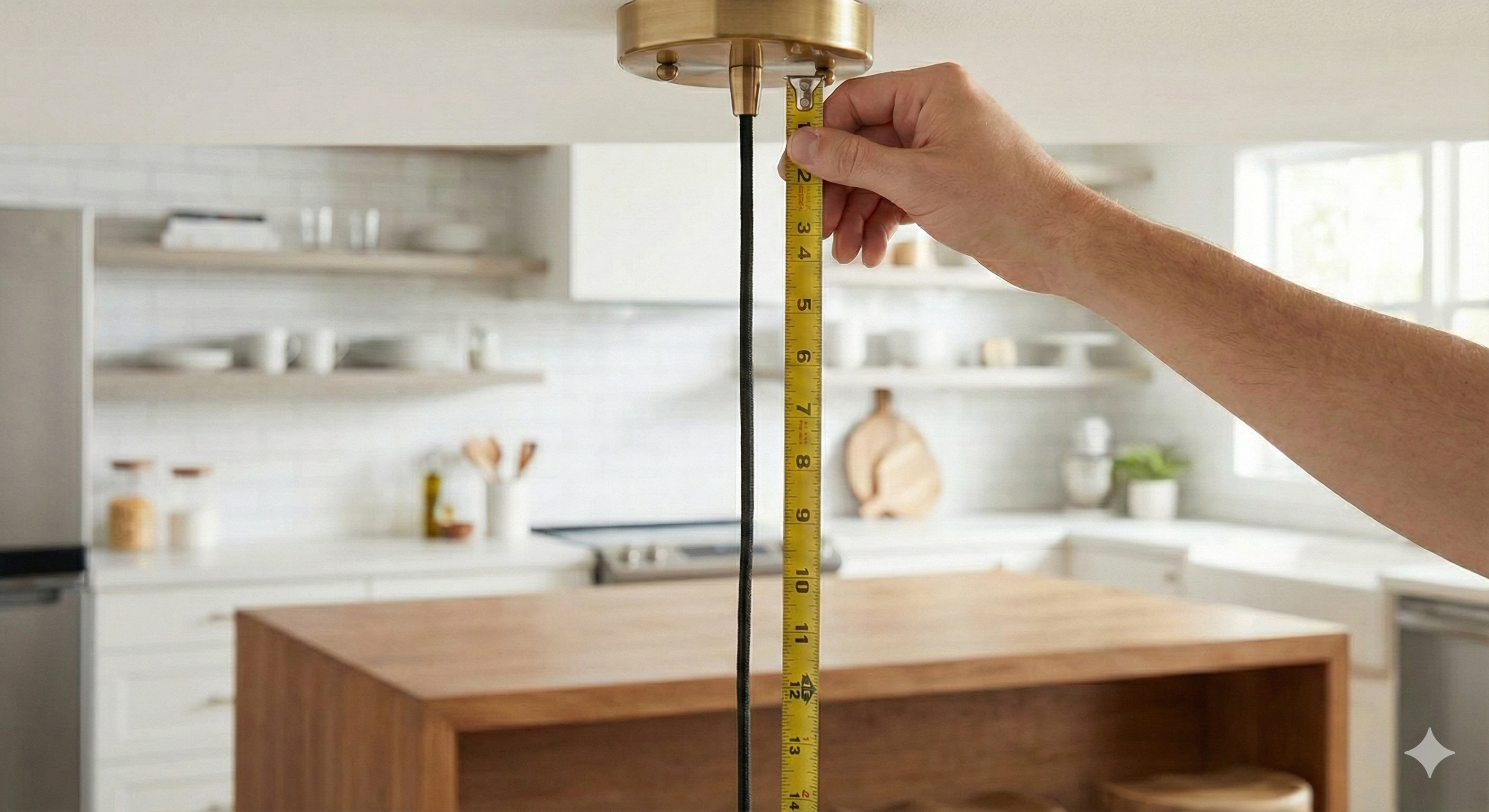
A hanging base lets you control where the fixture visually starts. Instead of running long cords or chains all the way from the ceiling, the base drops down to the right height - then the pendants hang shorter from there. It keeps the proportions balanced and the overall look more intentional. By lowering the base, you visually separate the structure from the ceiling. This avoids overly long pendants and creates a more grounded, architectural look, with shorter, cleaner drops below.

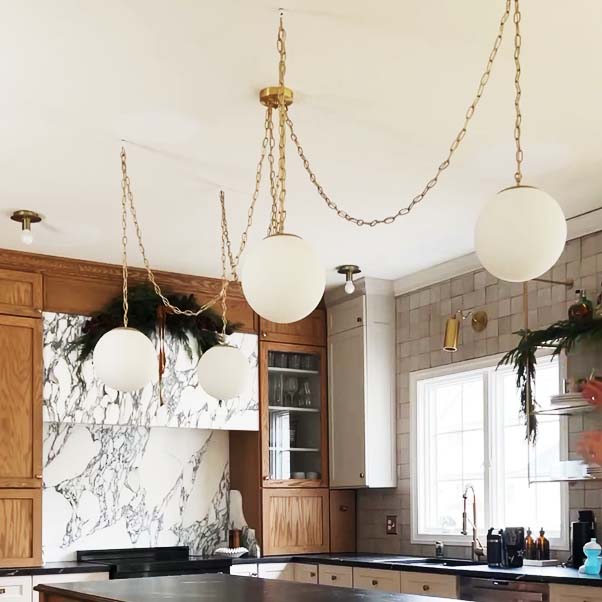
Distributed Layout with Swag and Ceiling Hooks

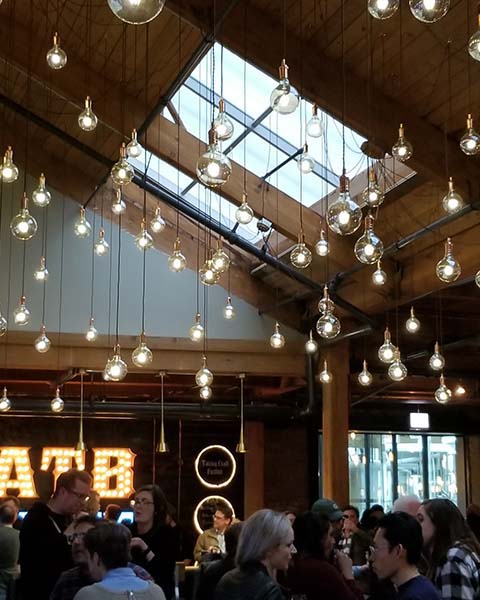
Instead of concentrating light in one spot, this approach spreads it across the ceiling. It’s one of the most effective ways to handle large or irregular spaces because it breaks up vertical height, adds horizontal reach and allows flexible placement. 

This type of layout is especially useful in open living areas where lighting for high ceilings needs to cover more ground.

Cascading and Staggered Installations

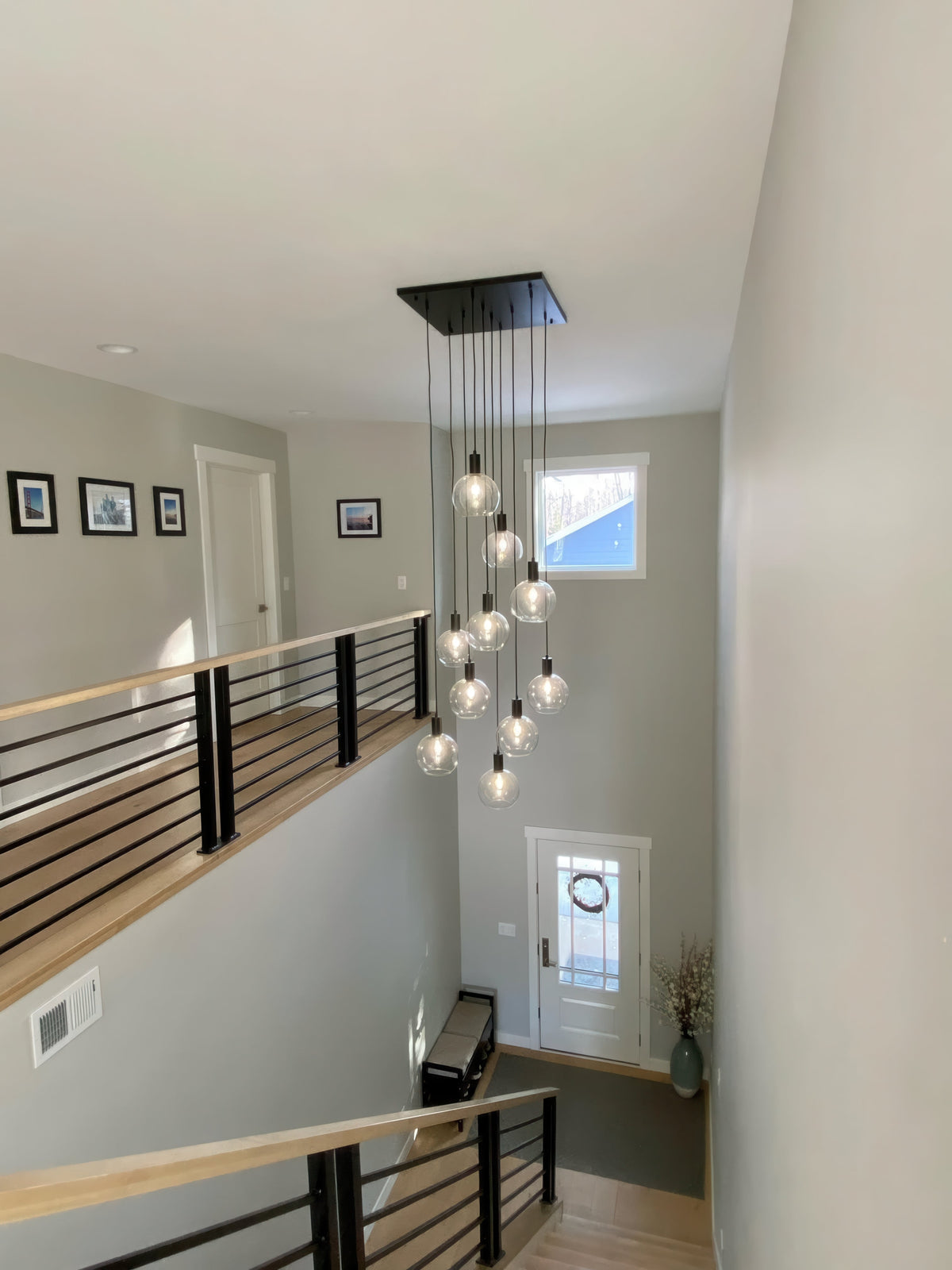
Cascading layouts use multiple pendants at varying heights to create depth and movement. They naturally draw the eye downward, making tall ceilings feel intentional rather than overwhelming. This is one of the most effective ways to use high ceiling pendant lighting in modern spaces.

A Closer Look at Globe Lighting for Tall Ceilings

While many fixture types can work in tall spaces, globe lighting stands out as one of the most balanced and versatile solutions, especially in entryways and open vertical areas.

The spherical shape allows light to diffuse evenly, creating a soft, ambient glow instead of harsh directional light. This makes the space feel welcoming rather than overly bright or stark.

Globe fixtures also adapt easily across styles, from modern and Mid-Century interiors to more transitional or classic homes. Their simplicity allows them to blend in while still creating a clear focal point.

In taller rooms, globe lighting is particularly effective when used in clusters or multi-light arrangements. Instead of relying on one oversized fixture, multiple globes fill vertical space more naturally, creating a sense of scale without heaviness.

Common Mistakes to Avoid

Even well-designed spaces can fall short if a few key details are overlooked.

  • Undersizing the overall composition: Focusing on one pendant instead of the full visual impact often leaves the space feeling empty.
  • Treating height as a fixed measurement: Uniform drops can feel disconnected. Variation creates better visual balance.
  • Centralizing all the light in one spot: This can leave large areas underlit. Distributed layouts improve coverage and comfort.
  • Ignoring long-term usability: Choosing fixtures that are difficult to maintain can create unnecessary challenges over time.

Even with additions like modern high hat lighting, relying solely on recessed solutions rarely creates enough visual presence in tall spaces.

Transform Your Space with the Right Lighting

Lighting high ceilings isn’t about following strict rules. It’s about understanding how light, scale and placement work together. When you focus on composition instead of just size, visual balance instead of rigid formulas and distribution instead of a single fixture, you create a space that feels complete, comfortable and intentional.

Tall ceilings come with more options than limitations. And when approached thoughtfully, the right ceiling light fixtures can turn even the most expansive room into a warm and inviting environment.

Whether you choose chandeliers, pendants or globe lighting clusters, the most successful designs are those that use vertical space intentionally, creating balance, depth and a welcoming first impression.

If you’re unsure what layout works best, getting a second opinion can make all the difference. A well-planned approach ensures your lighting doesn’t just fill the space, it defines it.

Frequently Asked Questions

What lighting options are suitable for vaulted ceilings and open concept living rooms?

Vaulted ceilings and open layouts benefit most from distributed lighting, such as high ceiling pendant lighting in clustered or staggered layouts. These solutions help spread light across the space and reduce the “empty ceiling” effect. For more layout ideas and fixture options, explore our stairway lighting collection for tall spaces and multi-pendant designs.


What type of light fixture is suitable for a large room with a high ceiling?

Large rooms with high ceilings typically require fixtures that combine scale and distribution. A chandelier for high ceilings can work as a central focal point, while tall ceiling light fixtures like multi-light pendants offer more flexibility and coverage. To find the right fit for your space, browse our foyer lighting page for real examples and configurations.

What lighting works best for high ceilings?

The best approach combines scale and distribution, either a large multi-light fixture or several pendants arranged in a layered or staggered layout to visually connect the ceiling to the room below. 

How low should a light fixture hang in a high ceiling room?

As a general rule, maintain at least 7 feet of clearance, but beyond that, the fixture should visually relate to furniture or architectural elements rather than follow a strict measurement. To find the right fit for your space, browse our foyer lighting page for real examples and configurations.

Are chandeliers or pendants better for high ceilings?

Both work well. Chandeliers create a strong focal point, while pendant groupings offer more flexibility and often create a more modern, layered look.

Can recessed lighting replace fixtures in high ceilings?

No, recessed lighting alone usually lacks the visual presence needed. It works best as a supplement to statement or pendant lighting. For more layout ideas and fixture options, explore our stairway lighting collection for tall spaces and multi-pendant designs.
Tell us about your space and what you're envisioning

We'll guide you through layout, ceiling height, finish selections, and the elements that bring it all together.

This site is protected by hCaptcha and the hCaptcha Privacy Policy and Terms of Service apply.