
Did you know that a quality fixture can actually define your room? Many people don’t know that lighting is one of the most powerful design tools at home. The shape of a shade may seem subtle, but it determines how light is cast, how the fixture looks and how your space feels. At Hangout Lighting, we believe every detail matters. Because a quality fixture actually defines a room.
In this guide, we’ll help you navigate the world of light shade shapes (yes, we’ll use that term) by breaking down common styles, explaining how to match shapes to bases and rooms, and helping you make confident choices. Whether you’re considering pendant light shades, upgrading to light fixture shade replacements or selecting a new fixture entirely, you’ll walk away with clarity and direction.
First, Let’s Talk About Common Light Fixture Shade Shapes
Get to know some of the most popular shapes we offer at Hangout Lighting:
Drum Shades

A drum shade has straight, vertical sides and a consistent diameter from top to bottom. It offers a modern feel and a clean profile. Because the sides are vertical, the light output is more even and controlled. It works well when you want your fixture to feel more “object” than “task lamp.” It looks especially appealing in open-plan living rooms, over rectangular dining tables or in minimalist interiors.
Flat Metal Shades

Flat metal shades are minimal and striking, characterized by their wide, shallow profile. They project light mainly downward while keeping a sleek, graphic look. They are simply perfect for industrial, modern or Scandinavian-inspired interiors. Because the shade doesn’t extend far vertically, it feels lightweight and clean above dining tables, kitchen islands or workbenches.
Good to know: The larger the diameter, the broader the light spread. Flat shades like the “Black Flat 8” or “Black Flat 14” that we offer at Hangout Lighting create great coverage without bulk. They are ideal for open or low-ceilinged spaces.
Industrial / Warehouse Shades

Industrial-style or warehouse shades feature a broad, angular shape. They go well together with a slight flare and a sturdy, utilitarian design. They’re inspired by factory lighting and bring a vintage yet functional character to modern homes. Common finishes include brass, copper, nickel and matte black, giving you plenty of flexibility to match your décor.
Where to use: Install them above kitchen islands, dining tables or workspaces for both style and performance. Their wider profile provides generous downward illumination while maintaining that distinctive industrial charm.
Bowl / Dome Shape

Also known as a dome-shaped light fixture, this shape features a rounded bottom with smooth curves. Sometimes the shade is more open at the bottom (bowl) and sometimes it is fully enclosed (dome). It offers a broad spread of light and a softened profile, which makes it very versatile so it complements many interiors. It’s suitable for living rooms, bedrooms, entryways or above a casual dining space. Basically, anywhere you want a comfortable glow.
Good to know: Because it spreads light more evenly, it can reduce harsh shadows and create a relaxed mood.
Deep Dome Shade

A deep dome shade takes the gentle curve of a bowl or dome and extends it vertically, creating a more dramatic and enclosed profile. This shape focuses the light more directly downward, which enhances brightness over a specific area while minimizing glare to the sides.
It’s a great choice for spaces where you want focused yet warm lighting, like over a breakfast nook, a single reading chair or as a statement pendant in a high-ceilinged entryway. The Black or Grey Deep Dome options, for instance, create a bold, architectural look.
Quick tip: Pair deep domes with warm-toned bulbs for a cozy, cocooning glow that balances their more sculptural form.
Cone Shades

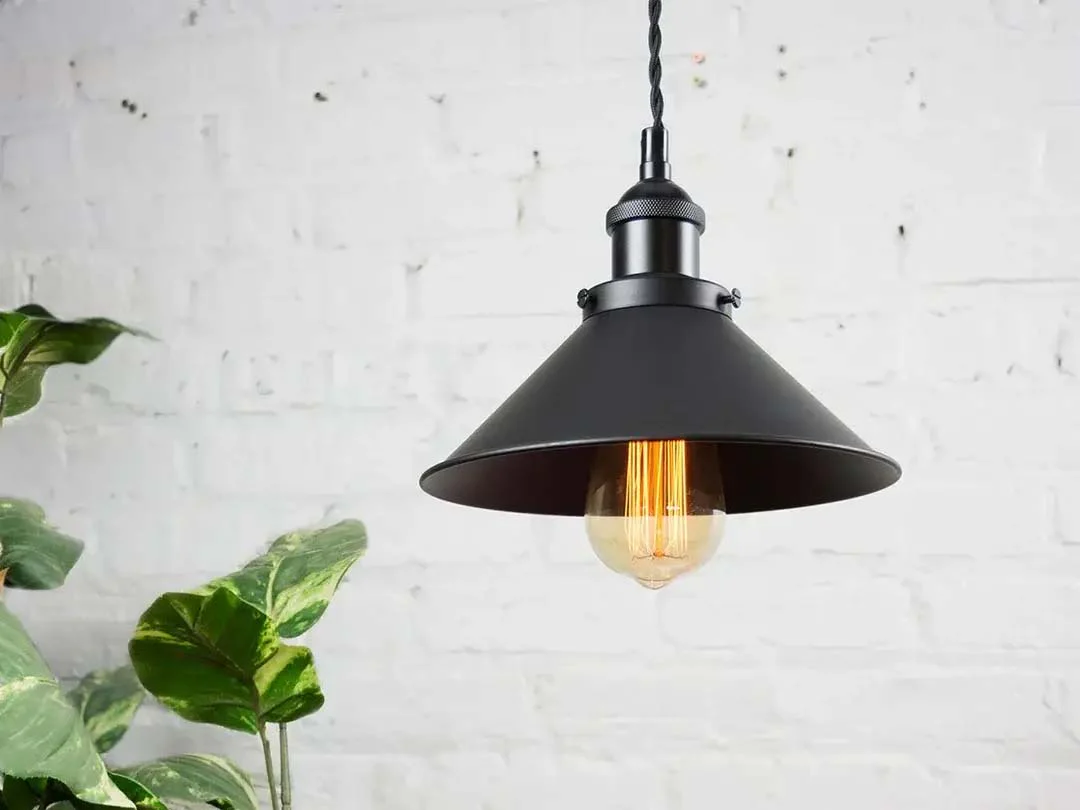
Cone or funnel shades feature a wide opening that narrows sharply toward the socket, concentrating light in a precise, directional beam. This makes them ideal for spotlighting surfaces like kitchen counters, dining tables or reading nooks where focused brightness matters most.
The shape feels both timeless and versatile. It can lean industrial in black metal or refined in brass. Hang multiple in a row for a clean, balanced look or use a single funnel pendant as a subtle statement piece.
Styling tip: Try pairing a cone shade with a warm Edison bulb for a soft contrast to its crisp form.
Cylinder Shades

Cylinder shades have a simple, vertical profile that delivers a clean column of light. Their straightforward geometry makes them perfect for contemporary and minimalist interiors. Light travels mostly downward, creating a targeted yet gentle illumination that feels sleek and sophisticated.

They work beautifully over bars, in hallways or beside mirrors where you want symmetry and structure. The matte black Cylinder from Hangout Lighting, for instance, blends perfectly into modern spaces while adding subtle depth.
Good to know: Cylindrical fixtures look especially striking when hung in staggered heights.
Wavy Shades

Wavy shades bring an organic, handcrafted feel to lighting design. Their flowing edges and natural textures diffuse light playfully, casting gentle patterns that add depth and warmth to a space. They’re perfect for coastal, bohemian or eclectic interiors where movement and texture are key.
Whether made from rattan, rope or metal, a wavy silhouette adds instant personality and softness to structured rooms.
Quick tip: Try mixing wavy pendants at different heights to emphasize their sculptural rhythm.
Globe Shades

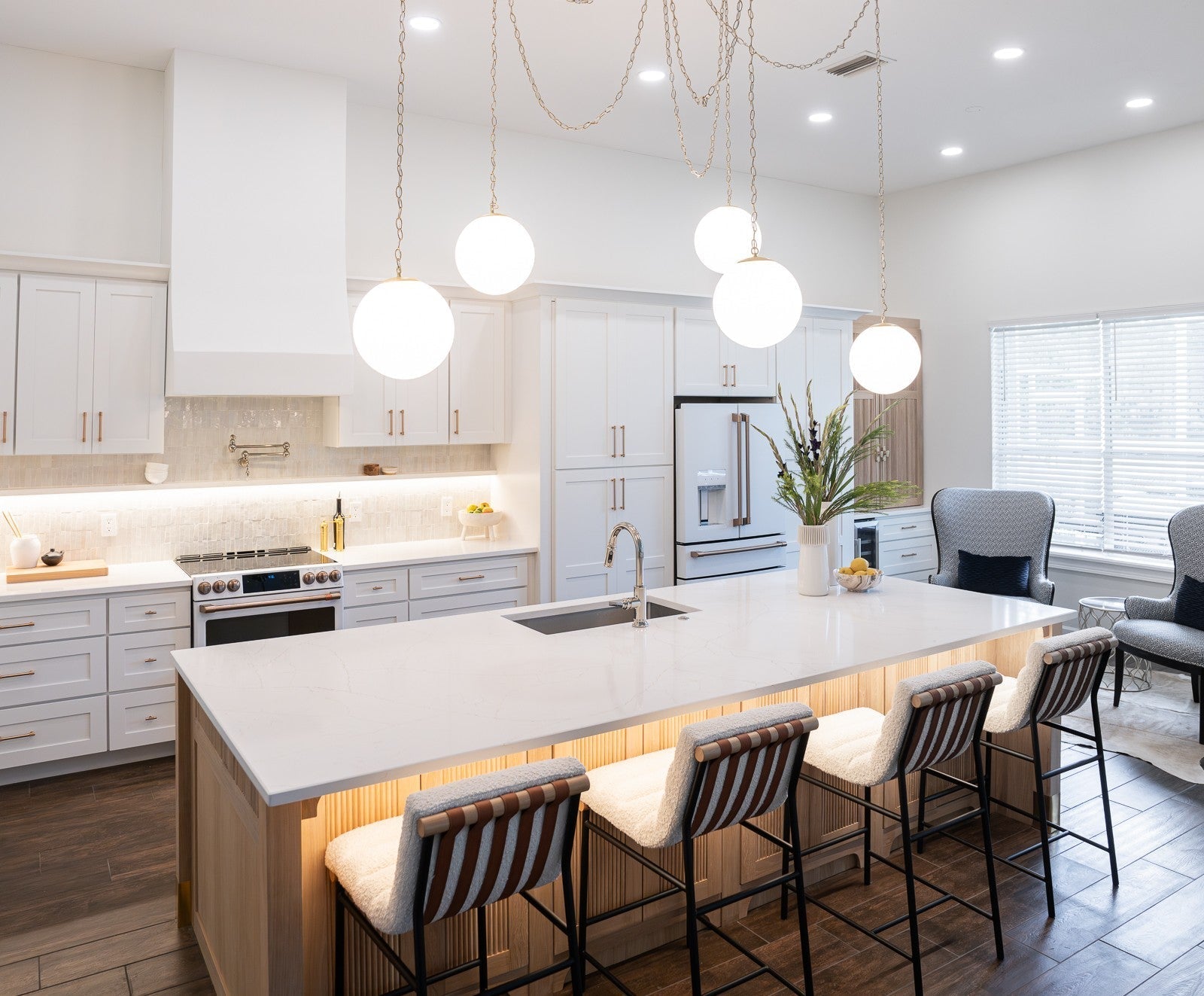
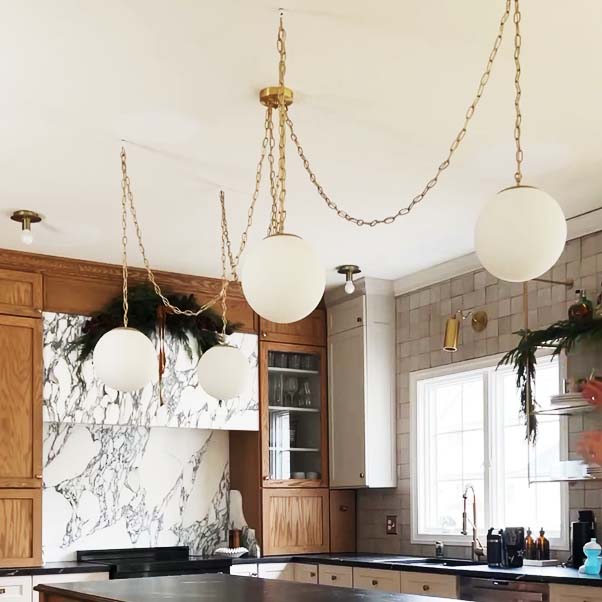
Globe shades offer a classic, softly rounded silhouette that diffuses light evenly in all directions. This shape delivers a gentle, ambient glow ideal for living rooms, bedrooms or entryways. Whether in frosted glass for a calm, cloudlike effect or clear glass for a modern twist, globes bring balance and harmony to any design.
Their timeless form works beautifully in mid-century, transitional or Scandinavian interiors. Use them solo for simplicity. Or group several of them for an elegant clustered look.
Quick tip: Pair globe pendants with warm white bulbs to enhance their natural softness.
So, How Do You Choose the Right Light Shade Shape?
Choosing the right shape isn’t purely aesthetic. Here are the key considerations to help you select the ideal lighting fixture shades for your space.
-
Match shape to base: Square or angular bases pair best with square or rectangular shades. Curved bases look better with bell, dome or bowl shades.
-
Keep proportions balanced: The height of the shade should be about two-thirds of the base height. The shade width can be approximately the same as the base height.
-
Align with your style: For modern spaces, choose drum, square or rectangular light fixture shades. For traditional rooms, try bell-shaped light shades and empire or dome-shaped light fixtures.
-
Consider light direction: Cone-shaped light shades focus the light downwards (which is great for task lighting). Bowl or dome shades, on the other hand, spread light softly for ambient glow.
-
Mind the function: For single-source fixtures, choose broad, open shapes. This brings more light. For already layered lighting, we recommend you go with directional or decorative shapes.
-
Control glare: Use diffusers or lower-glare bulbs for wide or low shades.
-
Measure before installing: For pendants, hang them 30-36 inches above kitchen counters.
-
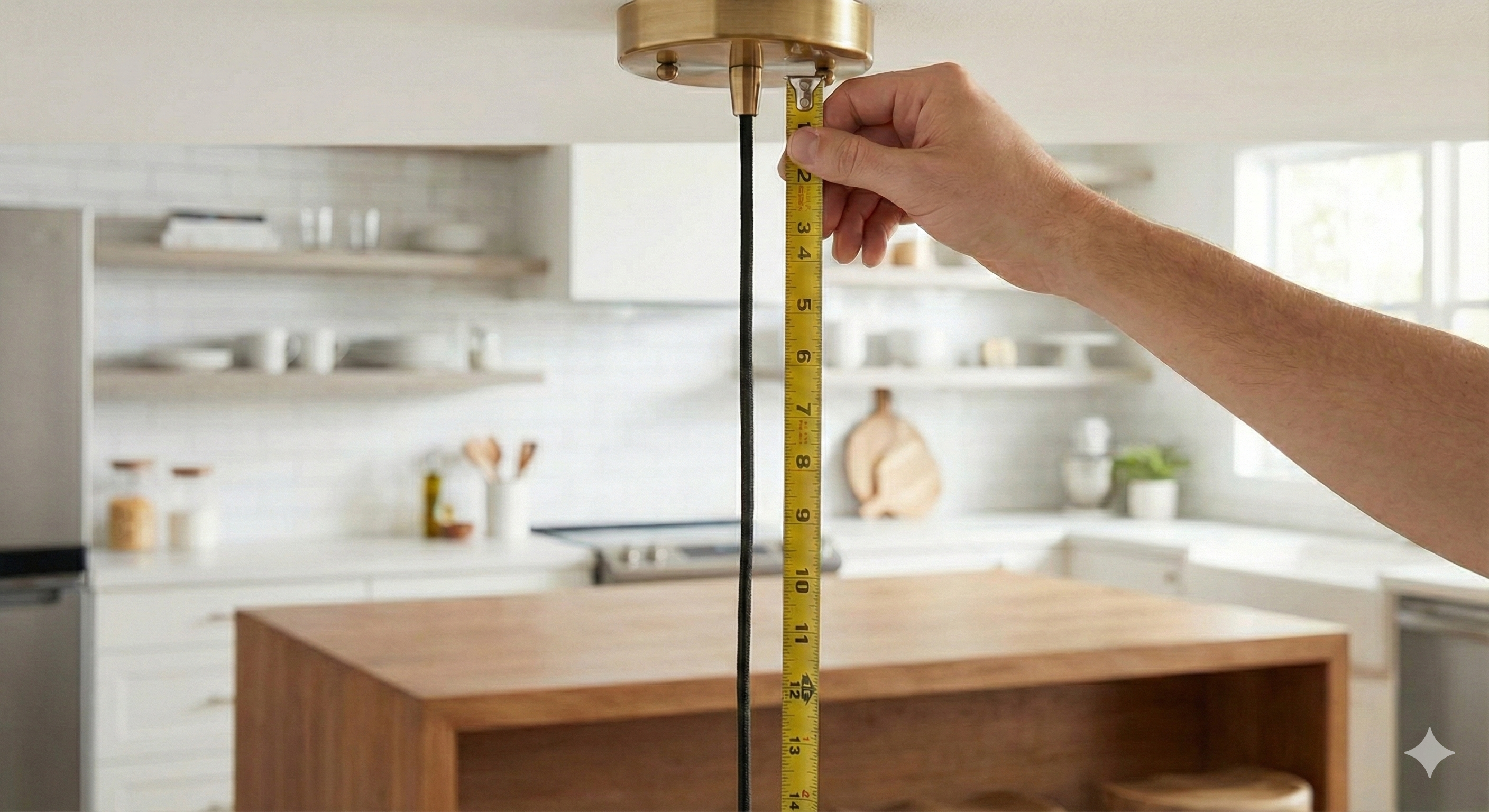
Replacing a shade: Bring the accurate measurements (canopy size, socket width and cord drop) when shopping for the right light fixture shade replacements.
-
Coordinate finishes: Keep in mind that the right material and color can unify the design.
-
Visual test: Cut out a paper mockup of the shape and hold it over your lamp or pendant to check the proportion in real space.
How to Bring It All Together
Once you’ve chosen the right light shade shape, it’s time to think about how it will live within your space. Remember that the best lighting isn’t chosen in isolation. It always depends on how your pendant light shades or light fixtures interact with color, texture and scale in the room.
Step 1: Consider your ceiling height and furniture layout
Start by looking at the proportions of your room. In spaces with high ceilings, larger or elongated shades (e.g., drum designs) help anchor the eye and create a balanced look. For smaller rooms or cozy corners, choose compact shapes like bell or cone shades. They offer focused light and intimacy without overwhelming the space.
Step 2: Think in layers
A single pendant can set the mood, but layering multiple shades at different heights adds both depth and functionality. For instance, combine dome shades for soft, ambient light with deep dome shapes for task lighting. This mix creates visual interest and lets you adapt your lighting to different times of day or activities.
Step 3: Choose materials that match your lighting goals
Fabric or linen shades diffuse light gently, creating a warm, cozy atmosphere. Glass or metal shades, on the other hand, produce stronger contrast and a more defined glow. If you’re updating your light fixture shades, think of it as a simple design refresh. An easy way to transform your space without replacing the whole fixture.
Above all, trust your eye
Lighting design isn’t about strict rules but creating harmony between light, form and function. Once you find that balance, your space will feel effortlessly complete.
Shape Is Your Lighting Design’s Secret Weapon
When you feel overwhelmed by finish, bulb types, cords and everything else, remember: shape is the secret architectural tool of lighting design. Choose the right shape, and many choices after that will fall into place.
-
A ball-shaped light shade ( globe) offers comfort and broad light.
-
A cone-shaped light shade or funnel focuses and defines a space.
-
A bell-shaped light shade gives you elegant tradition
-
A drum, square or rectangular shape brings geometry, crisp edges and contemporary edge.
At Hangout Lighting, we’re here to give you the components, the guidance and the craftsmanship so you can design lighting that works perfectly for your space. You don’t need to choose between function and beauty. With the right shape, you get both.



Share: