Step 1: Understand Your Space
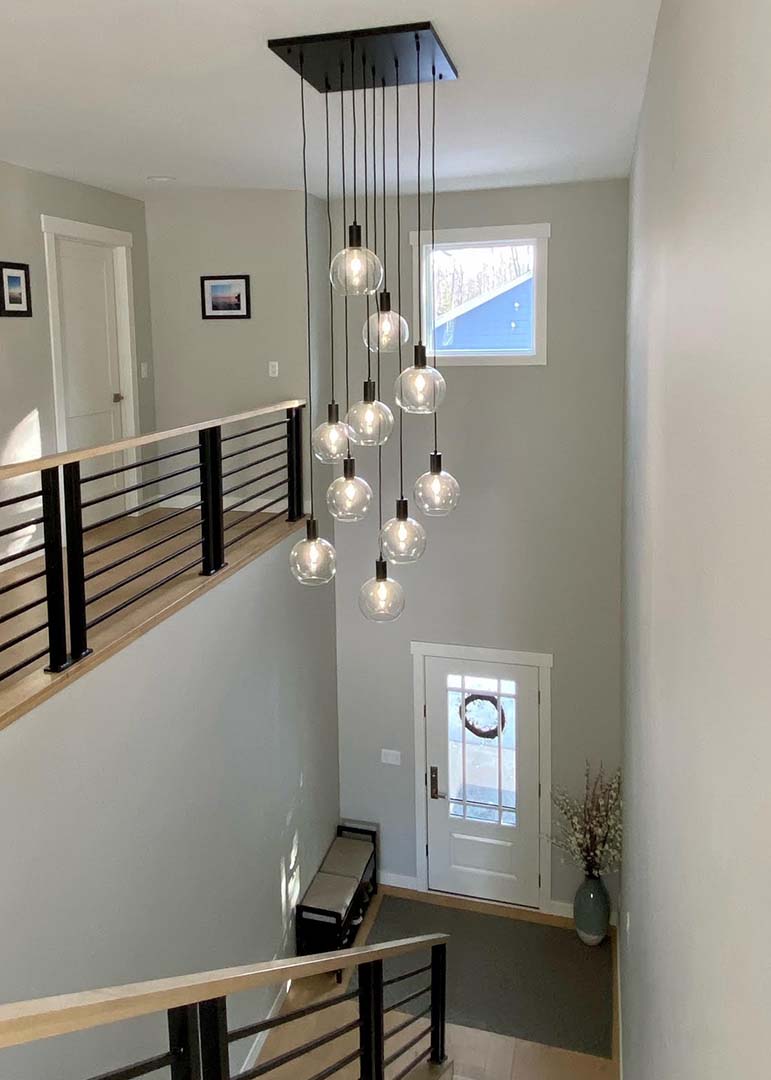
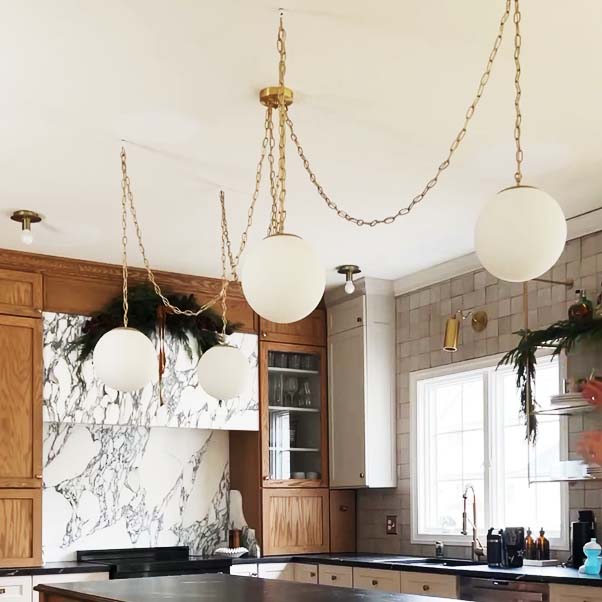
Before you start shopping for fixtures, take a moment to size up your space. Ceiling height is an important factor, too. Standard 8-foot ceilings often work best with semi-flush or flush mount fixtures, while taller ceilings give you room for larger, more dramatic chandeliers or multi-pendant swag lights.
Room dimensions matter just as much. A fixture that’s too small for a dining area or kitchen island can feel lost, while one that’s too large may overwhelm the space. A helpful rule of thumb (often used in chandelier size guidelines) is to add the room’s length and width (in feet) and use that number in inches as a rough guide for your fixture’s diameter. Remember, this is just a starting point. You can adjust slightly based on the room’s layout and your personal style.
Finally, think about the role of the fixture. Is it the main source of light, or an accent that adds ambiance? Main lights should illuminate the room evenly without being harsh, while accent fixtures can be smaller or styled to create visual interest. Taking these factors into account first makes choosing the right-sized light feel easier and ensures your fixture will look intentional in the space.
Step 2: Learn the Basic Sizing Formulas
Once you’ve considered your space, you can refine your choices with a few simple formulas. For general rooms, adding the length and width in feet and converting that number to inches gives a rough guide for the fixture’s diameter. For example, a 12-foot by 10-foot room adds up to 22, suggesting a fixture around 22 inches wide will feel balanced.
For dining tables or kitchen islands, aim for a fixture that’s about half to two-thirds the width of the table or island. This keeps the light centered, proportional and functional without overpowering the space.
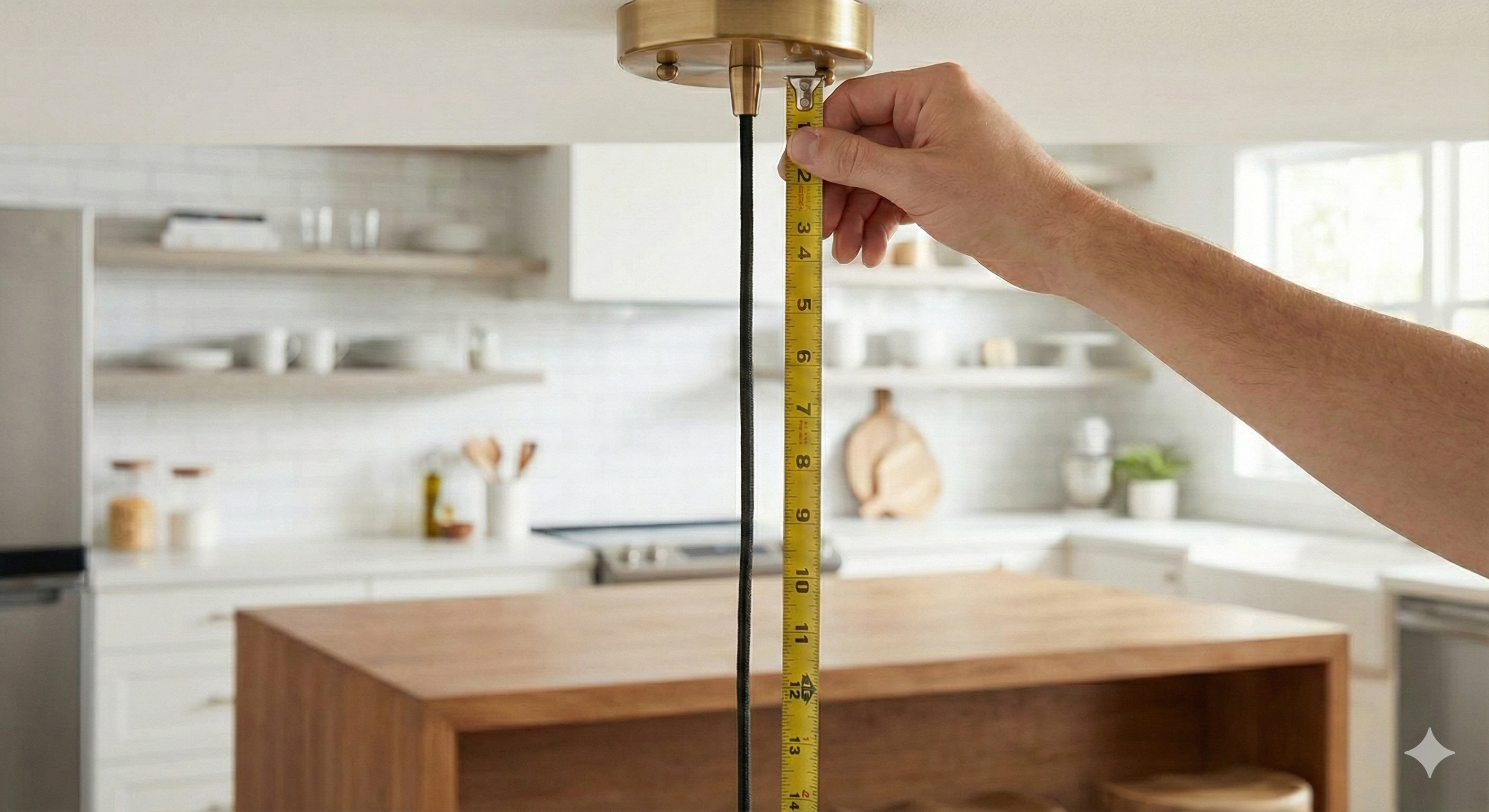
When it comes to hanging height, getting this right is just as important as width. The ideal chandelier height over a dining table is typically 30-36 inches from the tabletop for standard ceiling heights. This also applies to the general height of light above a dining table, ensuring the fixture provides enough illumination without blocking sightlines.
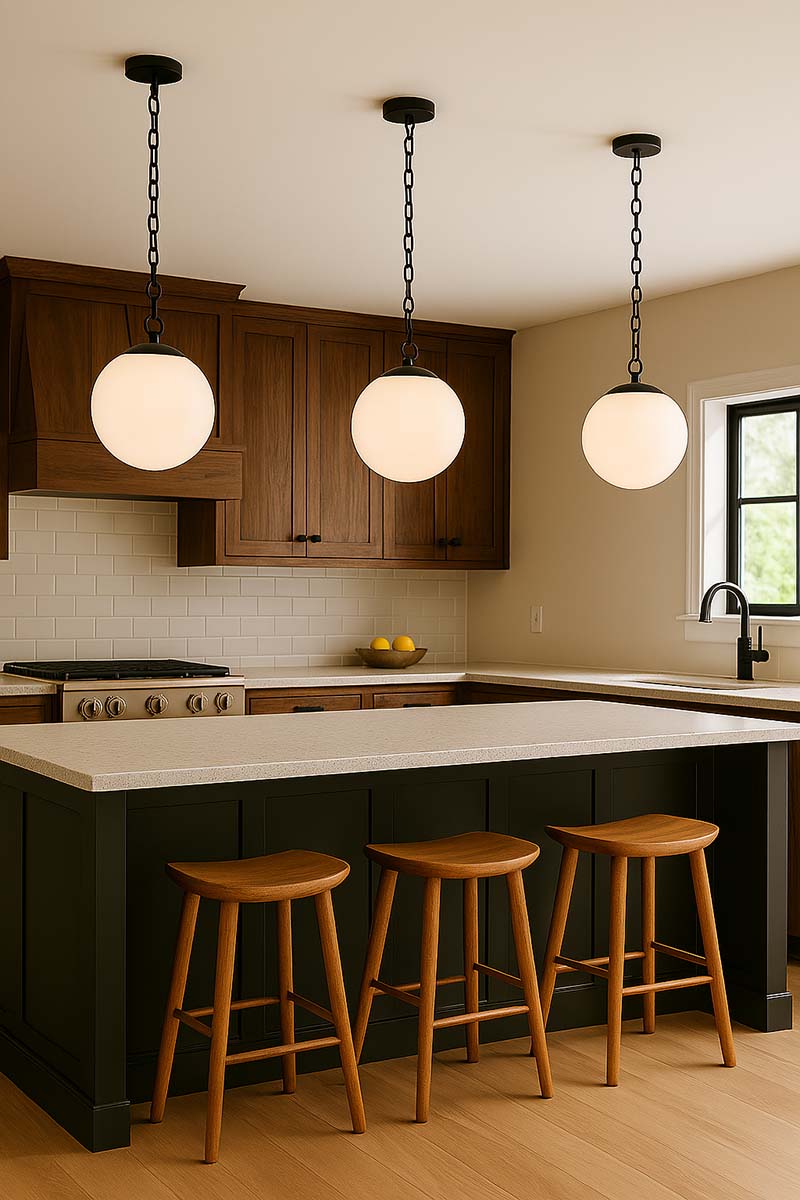
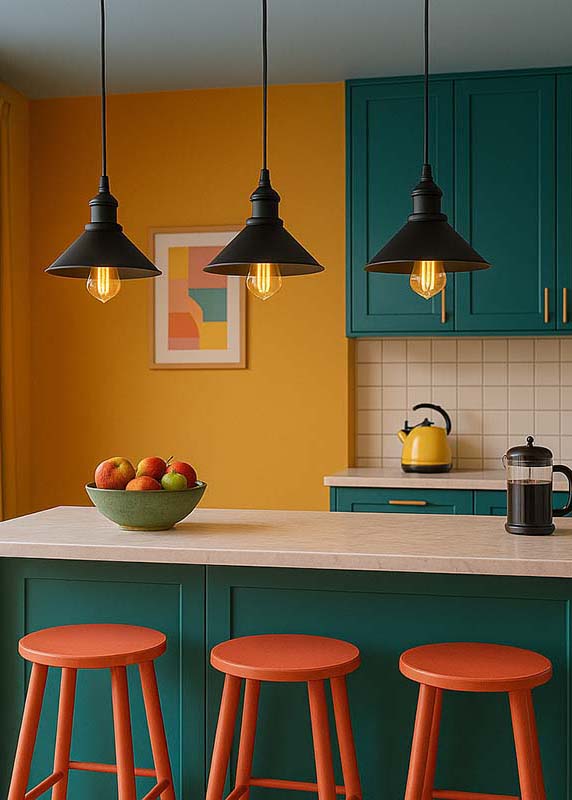
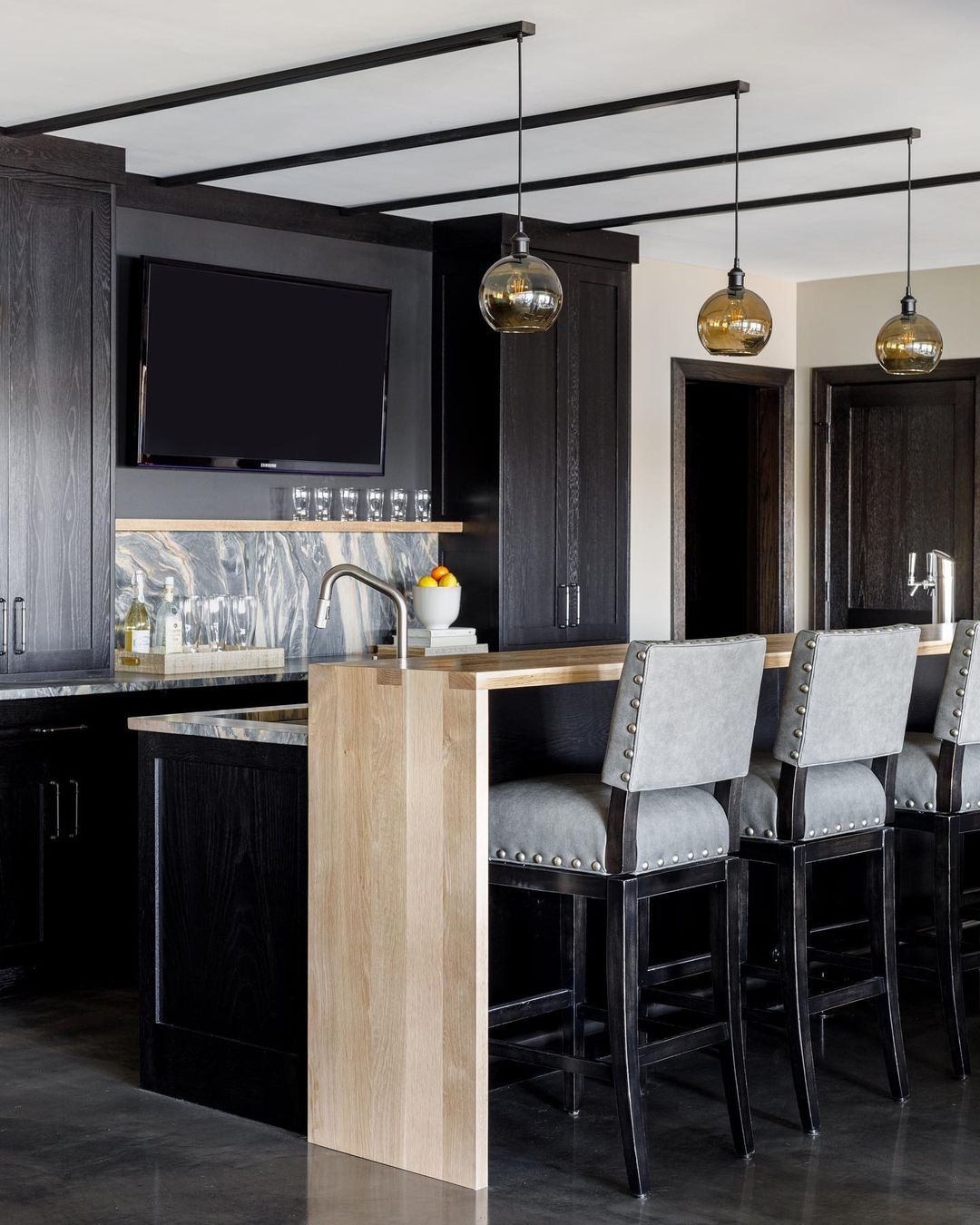
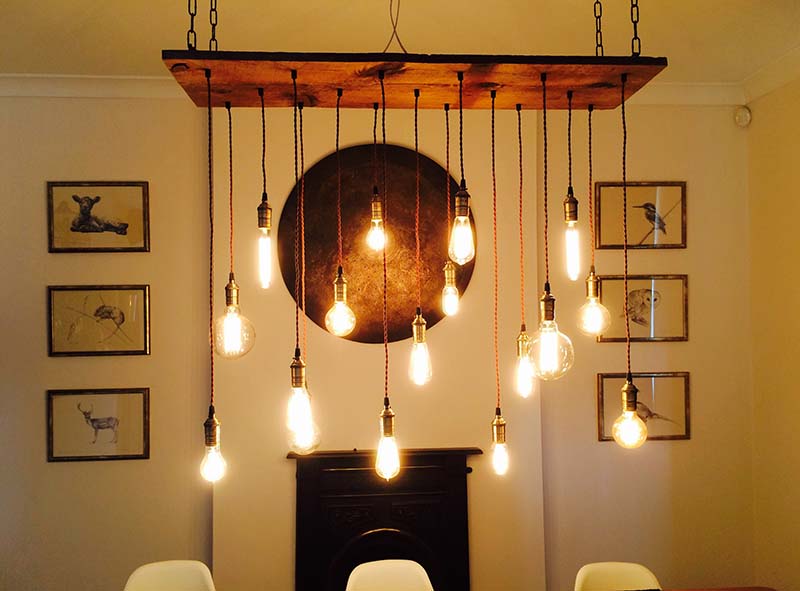
If you’re hanging pendants, pay attention to spacing and drop height. The recommended pendant light height above an island is also around 30-36 inches, which aligns with the standard height of pendant lights over islands guidelines. In multi-pendant setups over an island, keep each fixture evenly spaced and hang them roughly 30–36 inches above the surface. This provides plenty of task lighting while keeping sightlines clear across the table or countertop. You can also adjust slightly based on the ceiling height or personal preference.
Following these guidelines will make it much easier to choose a fixture (or a group of fixtures) that looks intentional, fits your space well and illuminates your room.
Step 3: Style & Material Choices Affect Perception of Size
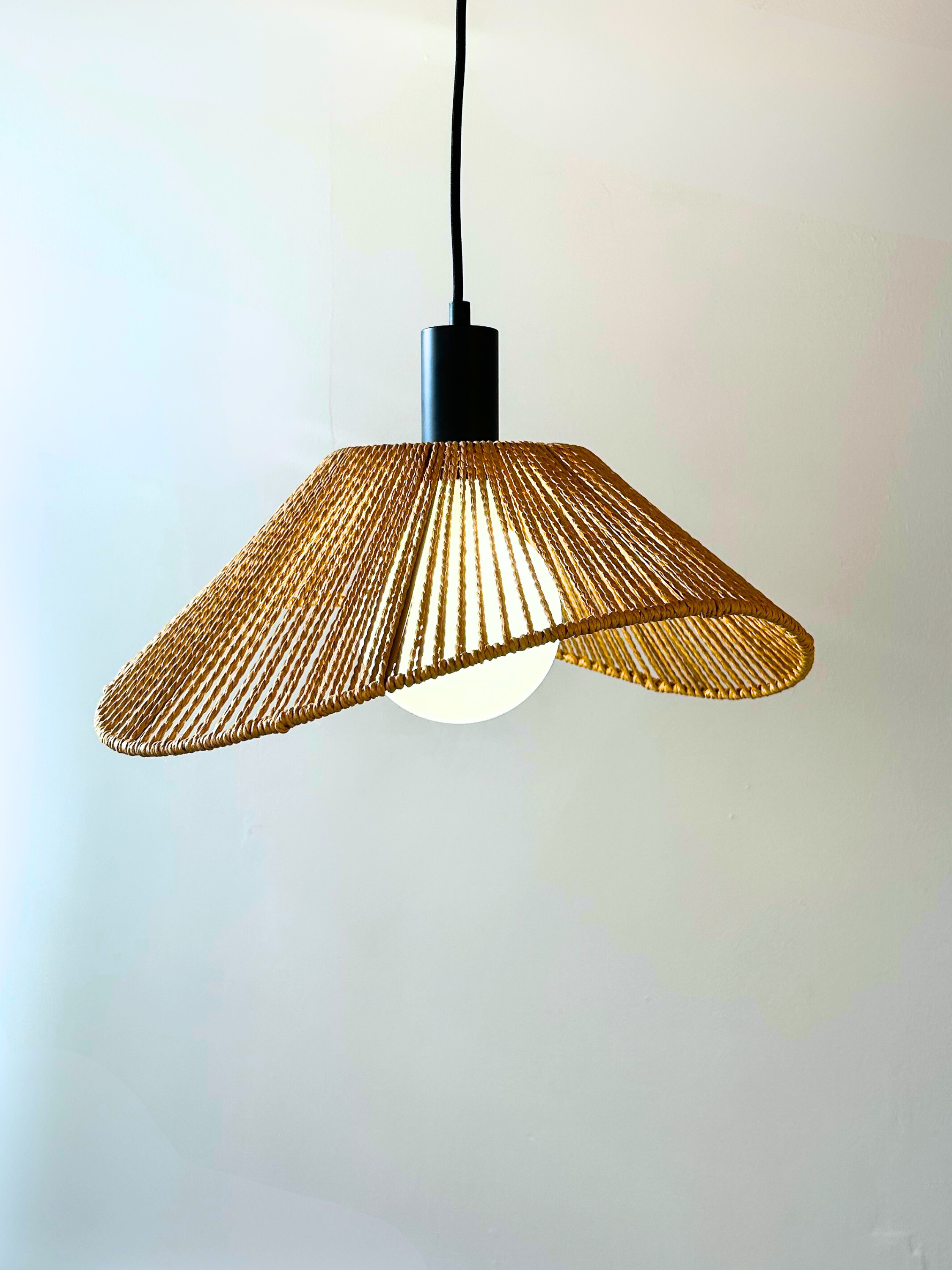
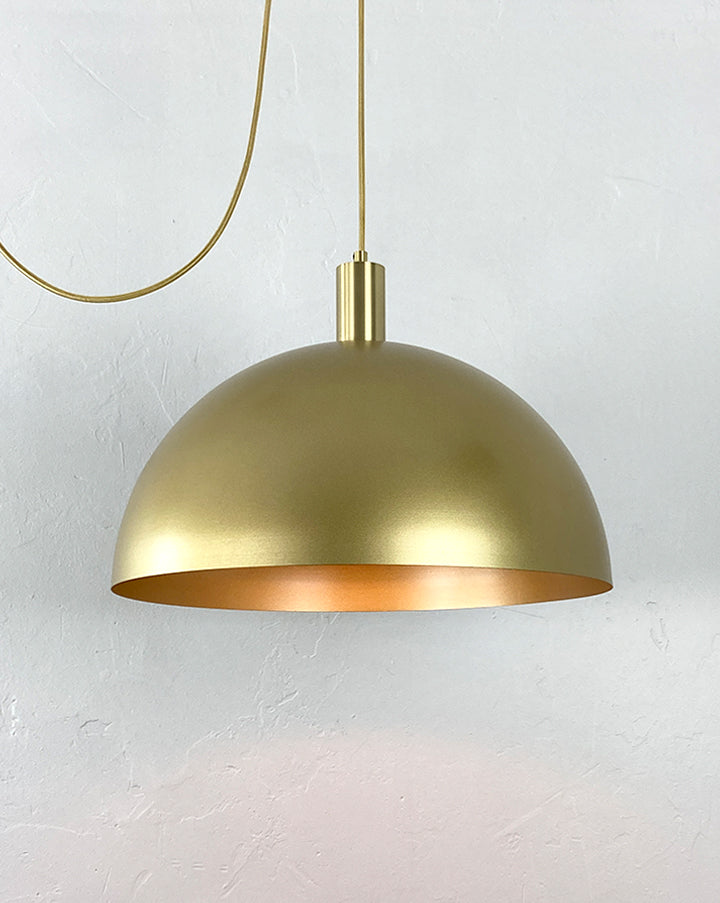
Even when two light fixtures are the same size on paper, they can feel completely different in a room, and that’s where style and material come into play. Clear glass shades create a light, airy look that keeps the space feeling open, while opaque metal shades can make a fixture feel heavier and more substantial. Choosing the right material helps you balance the visual weight of your fixture with the rest of the room.
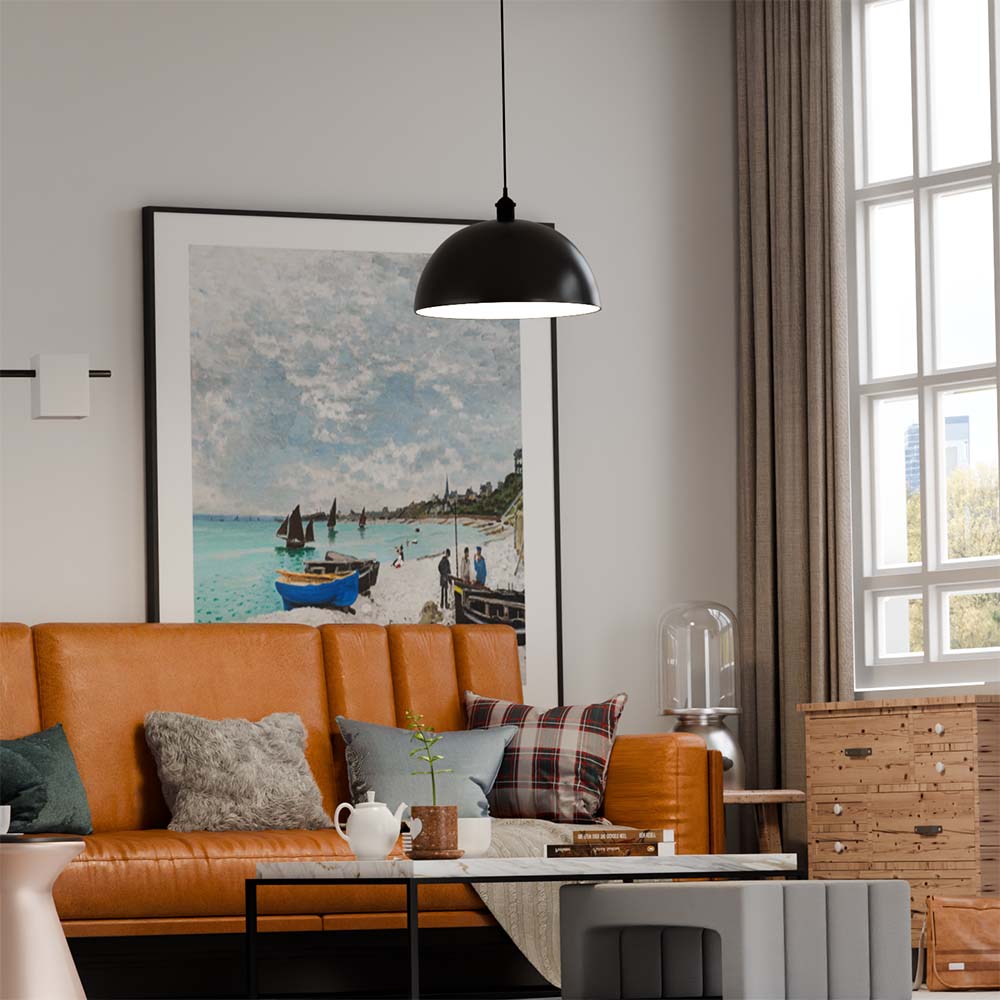
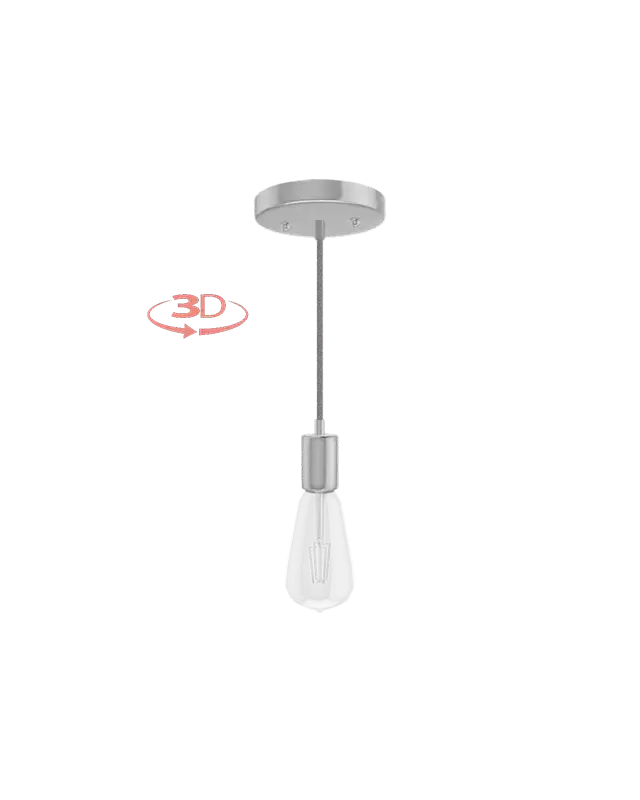
Finishes also matter. Darker tones like matte black or bronze tend to draw the eye and feel more “dense,” which can make a smaller space feel busier. Lighter finishes, like brushed nickel or soft white, blend more seamlessly and let a fixture feel larger without overwhelming the room.
Finally, don’t forget how bulb brightness affects perception. A bright, exposed bulb can make a fixture seem more prominent, while a softer, diffused glow keeps it visually lighter. Paying attention to materials, finishes and bulbs ensures your pendant or chandelier fits not just physically, but also visually, so it feels like it belongs in the space. If you’re looking for info on bulbs, check out our bulb planning guide here.