Free shipping over $100

Lighting in 2026 is no longer about simply illuminating a room. It’s about shaping the atmosphere, supporting well-being and using light as an architectural and artistic element within the home. The latest lighting trends reflect a clear shift away from harsh, utilitarian fixtures toward designs that feel warm, expressive and deeply personal. In modern home lighting, fixtures are becoming sculptural, adaptive and emotionally resonant, transforming everyday spaces into environments that respond to how we live, work and unwind.

At Hangout Lighting, this evolution is already visible: flexible cords, thoughtful materials and customizable designs allow lighting to move beyond function and become part of the home’s visual language. In this guide, we’ll explore the five key lighting trends defining 2026, explain why they matter, and show you how to integrate them into your own space with intention and confidence.

The Big Shift: Why Lighting Is the New Centerpiece of Home Design

Dining room with a large table set for dinner, chairs, and a view of a pool and garden. rope swag chandelier with clear globes

For decades, lighting played a supporting role in interior design. Fixtures were chosen last, often treated as purely functional necessities rather than design statements. That mindset has fundamentally changed. As homes increasingly serve multiple purposes (living, working, resting, entertaining), lighting has become central to how spaces feel and function. The driving forces behind this shift are cultural as much as aesthetic.

  • Remote work has made people more aware of how light affects focus and mood.
  • Wellness-driven design has highlighted the importance of warm, diffused illumination over harsh glare.
  • At the same time, homeowners are moving away from overly industrial looks and embracing softer, more organic environments that feel lived-in and human.

In 2026, the defining themes in modern home lighting are warmth, softness, artful integration and technology that supports real life rather than dominating it. Lighting is no longer an afterthought; it’s the emotional anchor of the home.

5 Key Lighting Trends That Will Define 2026

Below is a concise overview of the 5 trends shaping lighting design in 2026. Each trend reflects deeper changes in how we live and what we value at home.

  1. Earth tones and the “New Tuscan” glow
  2. Softened minimalism and diffused light
  3. Meaningful maximalism and personal expression
  4. Sustainable, smart-ready lighting
  5. Fluid forms and draped silhouettes

Each trend is rooted in a desire for comfort, individuality and longevity, values that go far beyond aesthetics.

Trend 1: Earth Tones & the “New Tuscan” Glow

The concept of lighting in 2026 moves toward warmth, depth and grounded color palettes inspired by nature and old-world materials. Olive green, rust, terracotta, clay, warm mushroom and muted red earth tones dominate interiors, often paired with color-drenched walls and ceilings for a cocooning effect. These tones bring a sense of calm and permanence that stark black-and-white schemes often lack.

Earthy hues soften black metal finishes, elevate brass and make exposed cords feel intentional and artisanal rather than stark. This trend reflects a broader cultural return to craftsmanship and authenticity, spaces that feel collected over time instead of overly curated.

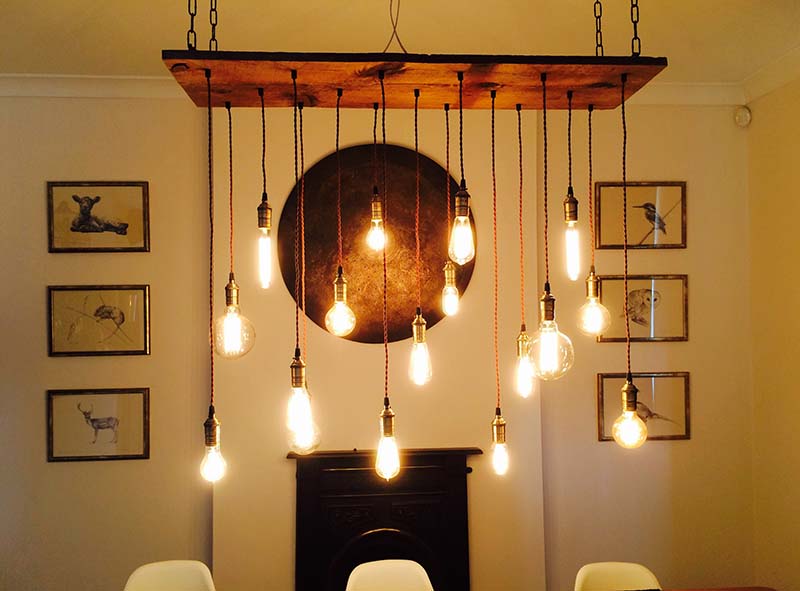
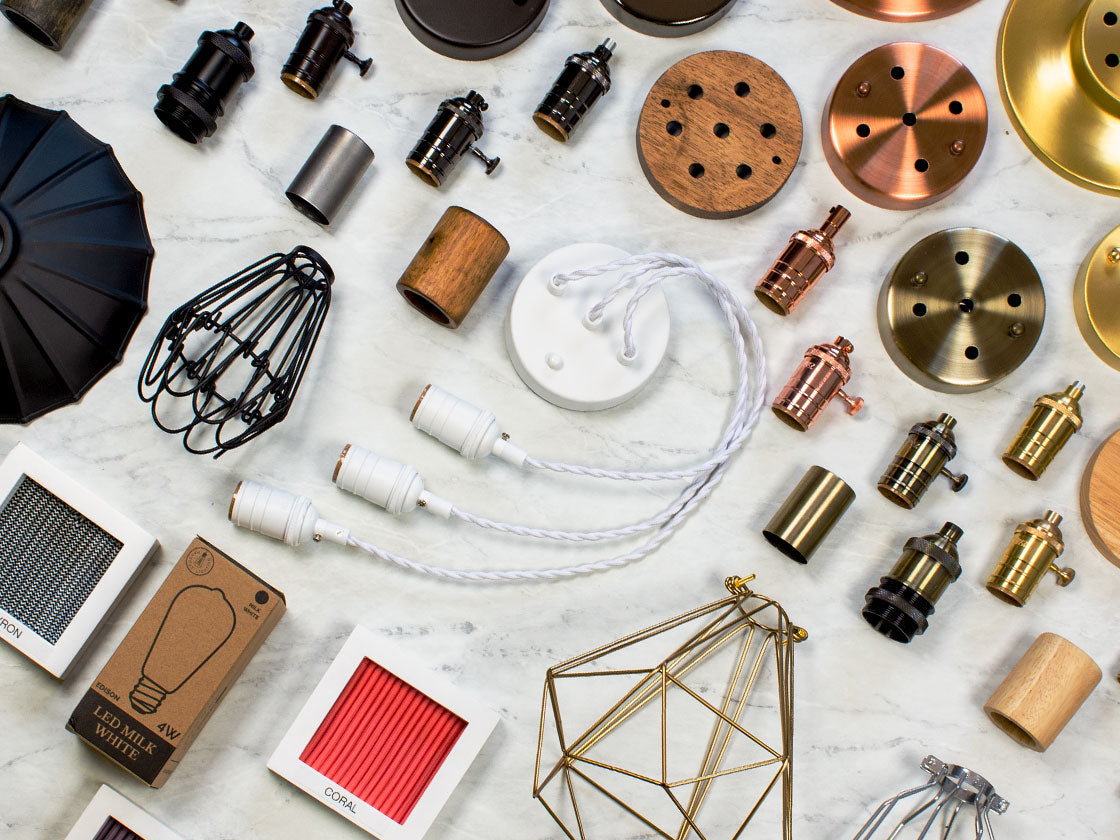
Implementation tips: You don’t need to repaint an entire room to embrace this trend. Swap standard cords for fabric options in rust, pine, olive, beige or champagne tones. Use multi-pendant swag installations to bring color upward and create visual flow across ceilings. Pair these elements with brass or antique brass sockets, which are emerging as the preferred metal finish moving into 2026.

Trend 2: Softened Minimalism & Diffused Light

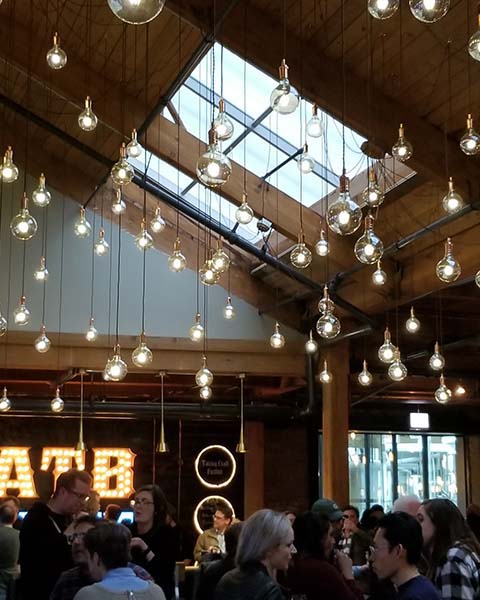
Minimalism isn’t disappearing, it’s evolving. In 2026, lighting design moves away from relying solely on harsh LED glare, while still embracing clear Edison and exposed bulbs when they’re used intentionally and in the right context. Instead, designers are pairing statement bulbs with softer surroundings, layered lighting and warmer color temperatures to create spaces that feel inviting rather than stark. The focus is on reducing visual stress and creating environments that support comfort and well-being. Materials driving the trend:

  • Opal and white glass
  • Matte finishes
  • Architectural, sculptural shapes

As people spend more time at home, especially in shared living and working spaces, lighting needs to be gentle on the eyes. Diffused light reduces contrast, minimizes shadows and creates a more balanced atmosphere throughout the day, while clear bulbs remain a strong design choice when balanced with thoughtful placement and dimming.

Implementation tips: Replace clear bulbs with porcelain or matte white bulbs in areas where softness is key, such as bedrooms or living spaces. Choose opal or white glass shades to diffuse light evenly. Clean-lined dome pendants or neckless globes are ideal for maintaining a minimalist aesthetic without feeling cold or industrial. Clear Edison bulbs still shine when used as focal points, paired with dimmers or layered lighting for control and warmth. Even a simple 3 pendant fixture can feel elevated when paired with a diffuser and a warm color temperature, creating a softer and more cohesive glow.


Trend 3: Meaningful Maximalism & Personal Expression

In 2026, design embraces personality over perfection. Instead of clutter, homeowners are layering intentional elements that tell a story, especially through lighting. Fixtures are no longer expected to disappear into the background; they’re meant to be seen, noticed and felt.

A clean, industrial base becomes the perfect backdrop for expressive choices. Mixed metals, varied shade shapes, custom cord colors and unique configurations allow lighting to act as a form of personal expression without overwhelming the space.

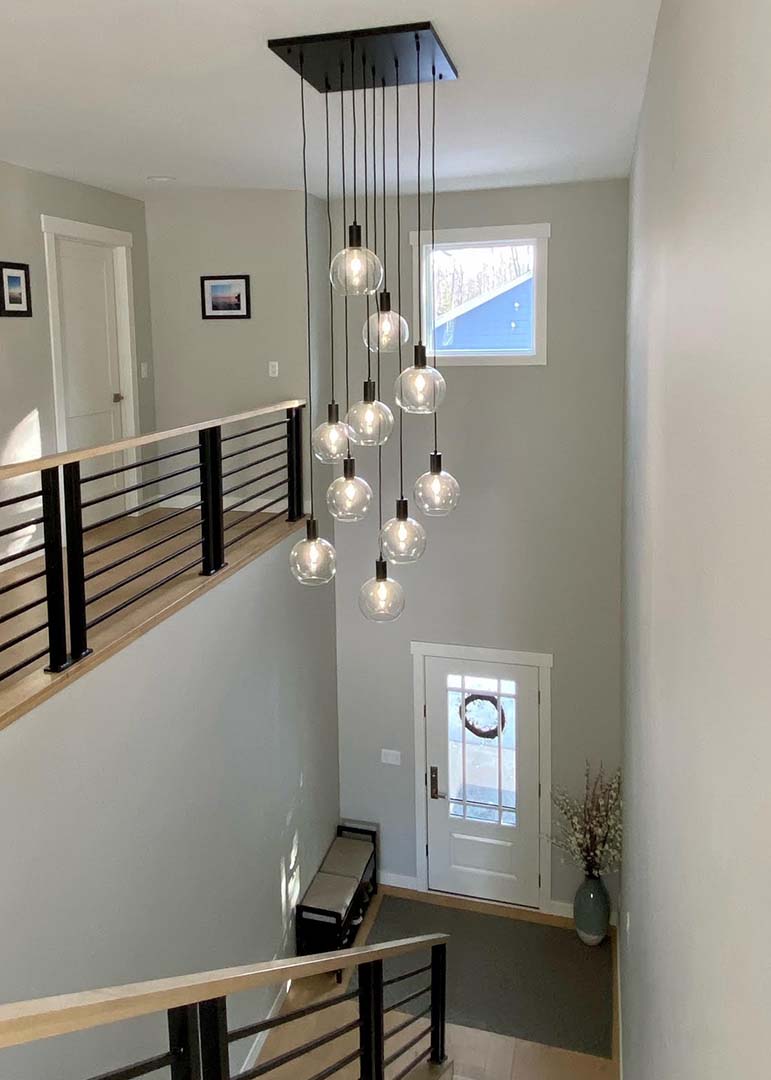
Implementation tips: Mix shade shapes and finishes within a single room for contrast. Combine multiple metal tones in one fixture to create depth. Use varied cord colors and custom lengths to build visual rhythm. Multi-pendant installations designed specifically for your space transform lighting into a focal point, approaching the presence of a fine art chandelier rather than a standard utility fixture.

Trend 4: Sustainable & Smart-Ready Lighting

Design in 2026 balances natural materials with smart functionality. Lighting is expected to be warm, long-lasting and technology-ready, without sacrificing aesthetics. Sustainability isn’t just about materials; it’s about longevity and adaptability.

Industrial-inspired fixtures already rely on honest materials like metal, wood and fabric cords, making them ideal for sustainable upgrades. When paired with replaceable LED light bulbs and smart-compatible components, these fixtures bridge the gap between tradition and innovation.

Implementation tips: Choose fixtures made with reclaimed wood or crafted in small batches for reduced environmental impact. Pair standard E26 sockets with smart bulbs to enable dimming, scheduling and color tuning. Using replaceable LED bulbs extends the life of your fixture while reducing waste and allowing easy upgrades as technology evolves. This allows you to transition seamlessly from bright task lighting during the day to warm, ambient light in the evening, enabling modern living without visual compromise.

Trend 5: Fluid Forms & Draped Silhouettes

Rigid lines are softening across interiors. Lighting in 2026 embraces curves, waves, organic textures and sculptural draping to create a more relaxed, artistic feel. Movement and flow replace strict symmetry. 

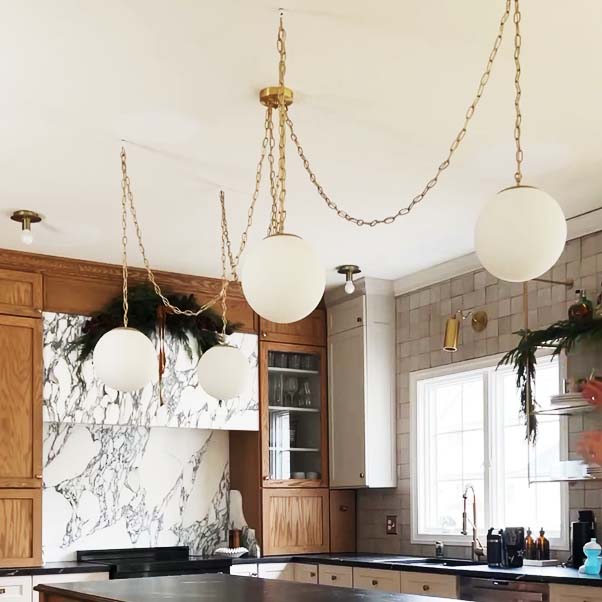
Modern chains and rope elements are leading this trend, naturally creating elegant draped silhouettes that feel intentional and refined. These materials allow for soft arcs and layered movement, bringing depth and visual interest to ceilings and open spaces. 

Implementation tips: Use swag chandeliers to create flowing lines across ceilings. Incorporate modern chain details or rope pendants for added texture and warmth. Allow chains and ropes to drape in soft arcs rather than hanging straight. The result is effortless and sculptural, maintaining minimalist clarity while adding visual softness.

Lighting Styles to Leave Behind in 2026

As new lighting trends emerge, others naturally fall out of favor. In 2026, styles that feel visually harsh or overly rigid are being replaced by designs that prioritize warmth, comfort and atmosphere. The shift reflects a growing preference for lighting that supports daily living rather than dominating a space. 

Overly aggressive industrial fixtures and minimalist ring pendants are beginning to feel dated. While once popular for their bold simplicity, these styles often lack the softness and emotional warmth that define modern home lighting this year. Lighting styles fading in 2026 include:

  • Fixtures that create strong glare instead of diffused, ambient light
  • Rigid, overly geometric designs that feel cold or impersonal
  • Statement pieces that overwhelm a room rather than complement it
  • One-dimensional lighting that doesn’t support layered illumination

This shift isn’t about rejecting minimalism, it’s about refining it. Softer light, warmer tones and more thoughtful forms are replacing stark, high-contrast designs. 

Your Guide to a Brighter, Trend-Forward Home

The defining lighting trends of 2026 share a common thread: warmth, wellness and artful integration. Lighting is no longer just about visibility; it’s about how a space makes you feel. Whether you’re drawn to earthy tones, sculptural forms or smart-ready functionality, the best lighting choices are the ones that reflect your personal style and enhance daily life.

By embracing these trends with intention, you can create a home that feels modern yet timeless, expressive yet comfortable. At Hangout Lighting, we believe lighting should evolve with you: beautiful, flexible and designed to support every moment at home.

Tell us about your space and what you're envisioning

We'll guide you through layout, ceiling height, finish selections, and the elements that bring it all together.

This site is protected by hCaptcha and the hCaptcha Privacy Policy and Terms of Service apply.